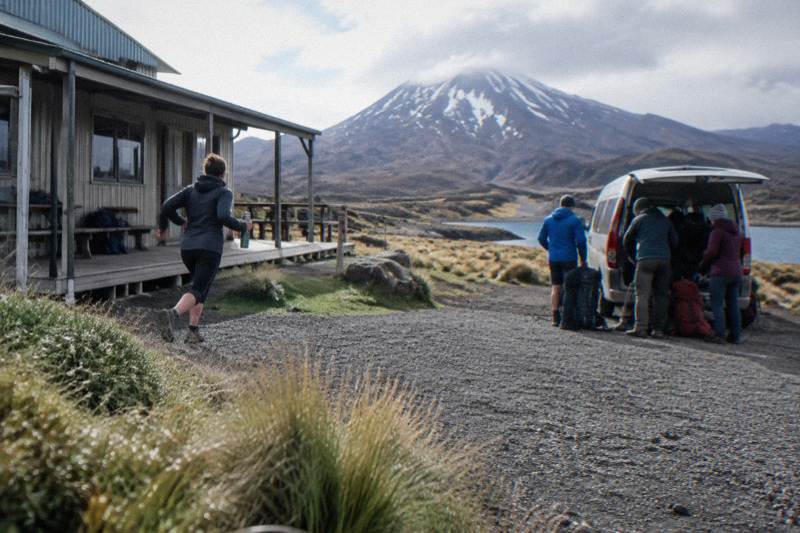
Is The Tongariro Crossing Open? How Closures Affect Tours And Shuttles
The Tongariro Alpine Crossing traverses an active volcanic landscape, and its status can change with the weather, the season and the mountain itself. Here is what actually closes the track, how closures reach the tours and shuttles, and where to look before you set out.
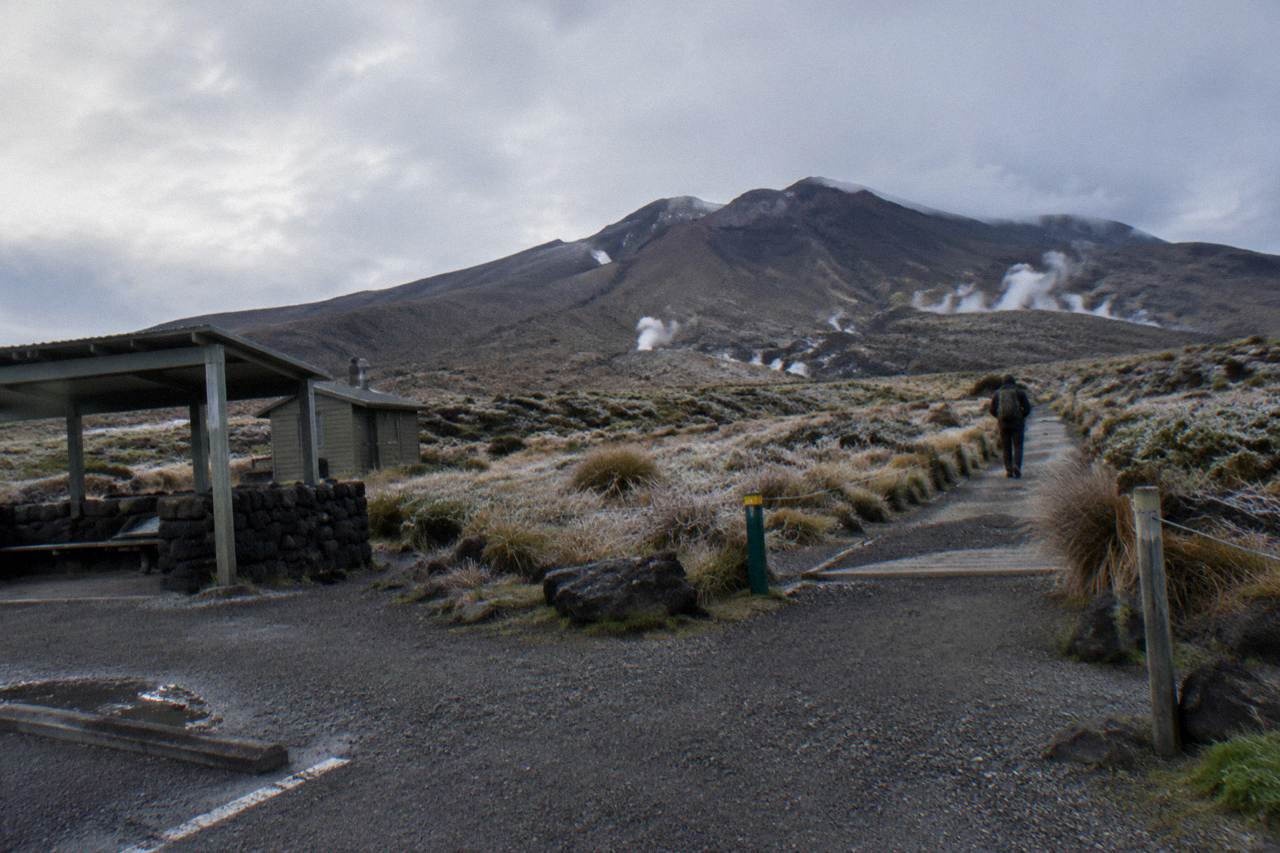
The Tongariro Alpine Crossing crosses an active volcanic massif, and the Department of Conservation treats it accordingly. The track is a 20.2 km one-way walk from Mangatepopo Valley at 1120 m over Red Crater at 1886 m down to Ketetahi Road at about 760 m, and DOC classes it as an Intermediate tramping track in summer and an Expert route from May to late October. Whether it is open on any given day depends on the volcanic alert level, the weather and the season, and the answer lives on a handful of official pages rather than on any tour operator's site.
That matters for anyone about to book. If the track closes, shuttles stop running to the road ends and guided days are called off, so it pays to understand the machinery behind a closure before money changes hands. This page explains the system: what triggers closures, who is told first, what happens in winter, and how each kind of tour product responds.
How Do You Find Out If The Tongariro Crossing Is Open Today?
The authoritative answer sits on three official pages: the DOC Tongariro Alpine Crossing page for track status and alerts, GeoNet for volcanic alert levels, and the NIWA Red Crater forecast for the summer weather advisory. No operator page overrides any of them, and operators have agreed, as part of their concessions, not to operate when a Hazardous Weather Warning has been issued. Checking those three sources on the morning of your walk, and again the evening before, is the reliable routine.
Start with DOC. The Tongariro Alpine Crossing page and its alerts section carries track closures, section closures and temporary notices, and it is the page rangers and operators work from. GeoNet publishes the volcanic alert level for Tongariro and Ngauruhoe, and a rise there translates into track closures under fixed rules. In the November to April season, NIWA runs a dedicated Tongariro Alpine Crossing forecast for Red Crater, and that forecast feeds the summer "Not Recommended Today" advisory system, assessed each morning.
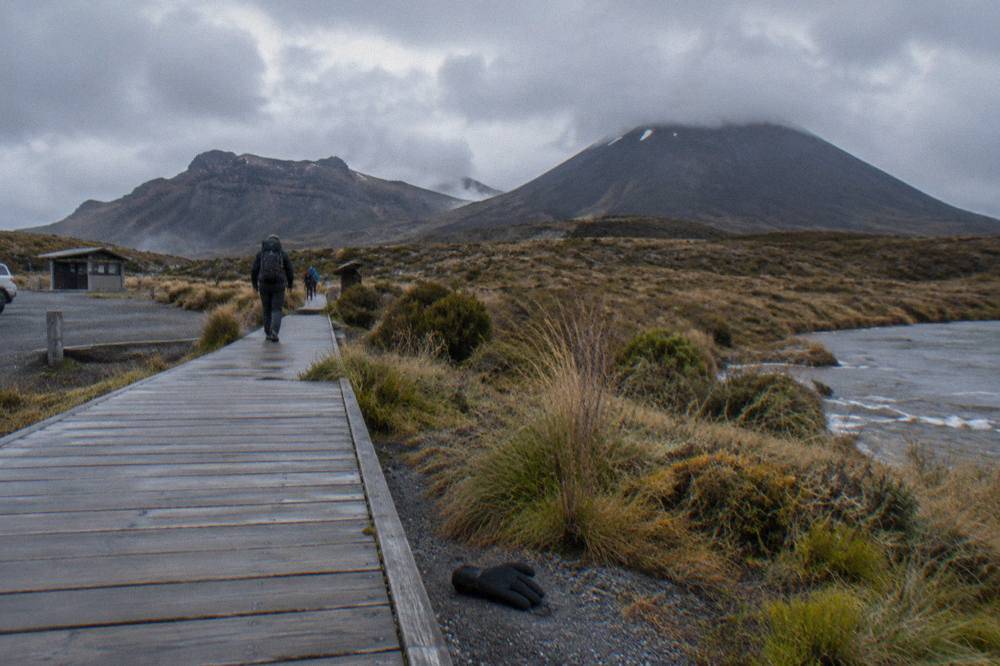
It also helps to know what a status actually means. A "Not Recommended Today" advisory in summer is a weather call, not a closure: the track technically remains open, and the agreement operators hold under their concessions covers Hazardous Weather Warnings rather than advisory days, so a shuttle or guided tour booked for that date may still run. Anything seasonal, such as the winter Expert route classification, applies to everyone equally. If you have already booked, check the operator's terms; if you are still deciding, the three official pages tell you whether the product you want can run at all.
A booking note belongs here too. Since October 2023 DOC has run a free booking system for the track itself. A booking is recommended for everyone, and a track booking is needed to use a shuttle or guided walk service, though your guide or shuttle operator may make that booking for you. There is no cost and no penalty for arriving without one, and you show the receipt to rangers at the carpark. More detail is in the track booking walkthrough.
What Can Close The Tongariro Crossing?
Two forces close the track: volcanic activity and weather, plus the seasonal winter shift from May to late October. A volcanic alert level rise at Tongariro or Ngauruhoe closes track sections; unrest centred on Red Crater, or any uncertain or multi-vent situation, closes the whole Crossing. Summer weather advisories mark the walk Not Recommended without formally closing the track.
The volcanic logic is fixed and published. The Crossing traverses an active volcanic area, and DOC defines a hazard zone of 3 km radius around each of the three Tongariro vents: Te Maari, Red Crater and Ngauruhoe. Eruptions are unlikely but, as DOC puts it, can occur at any time; the most recent eruption from Te Maari was in 2012. If the alert level rises at Tongariro or Ngauruhoe, track or section closures follow. If unrest shows at Red Crater, or the picture is uncertain or involves several vents, DOC closes the entire Crossing rather than gamble on which vent is the threat.
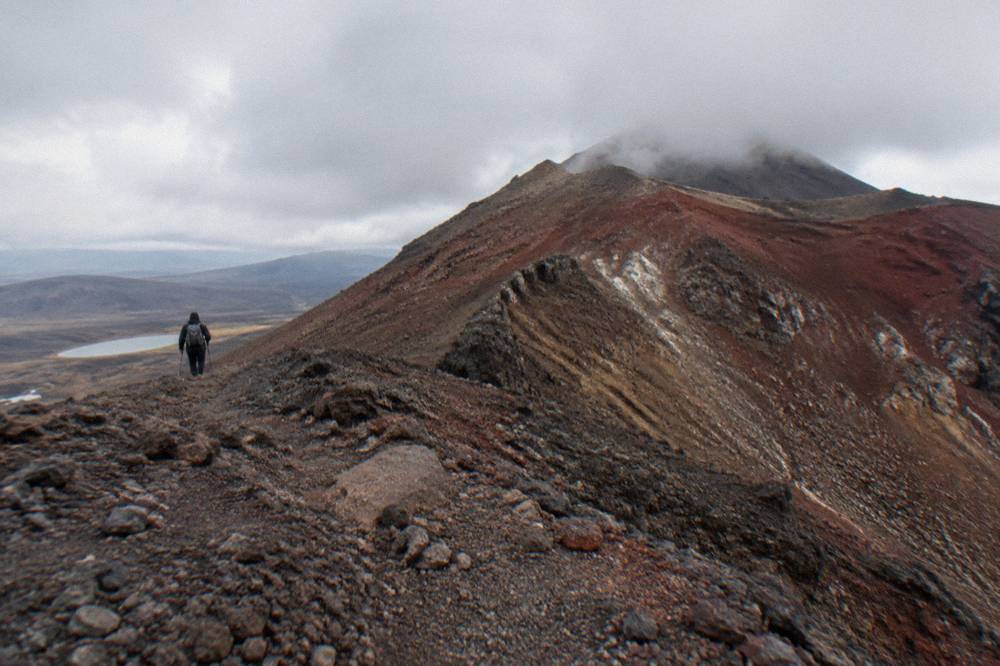
Weather is the everyday mechanism, and it is structural rather than arbitrary. In the November to April season, a "Not Recommended Today" advisory is applied when any two hours of the NIWA Red Crater forecast show average wind of 55 kph or more, gusts of 70 kph or more, a wind chill of -10 °C or colder, a wind chill of 0 °C or colder with 1 mm or more of precipitation, a rain rate of 2.5 mm per hour or more, snow of 0.1 cm per hour or more, or 10 mm of precipitation over six hours. The assessment happens each morning, and when the advisory applies, signage goes up at the Mangatepopo Road end, the alert appears on the NIWA page, and operators and isites are emailed.
The practical split is worth internalising, because it decides what happens to your money.
| Trigger | What happens to the track | What happens to tours and shuttles |
|---|---|---|
| Alert level rise at Tongariro or Ngauruhoe | Track or section closures | Affected sections cannot be visited; operators contact booked customers |
| Unrest at Red Crater, or uncertain or multi-vent | Whole Crossing closed | No shuttles or guided days on the track |
| Summer weather advisory | Track remains open, marked Not Recommended | Operators and isites are emailed; under their concessions they have agreed not to operate when a Hazardous Weather Warning is issued |
| Winter season, May to late October | Expert route classification | Shuttle buses generally do not operate; guided trips include transport |
If you are weighing a shuttle against a guided day partly because of closure risk, these two products span the range of formats and prices: a full guided Crossing and a round-trip shuttle from National Park Village.
The cheapest entry point among them, and the cheapest per-person fare on this site at $34, is a one-way park-and-ride product with a secure Ketetahi car park; the Ruapehu Scenic Shuttles version of that format starts from $38 per person and carries a 4.8 rating across 665 reviews. Round-trip shuttles start from $42 per person, and the guided full Crossing from $253 per person.
Do Tours And Shuttles Still Run When The Crossing Is Partly Closed?
No operator can run on a closed section, and operators have agreed, as part of their concessions, not to operate when a Hazardous Weather Warning has been issued. On an advisory day the track itself stays open, so independent walkers with the skills may still go, but every booked shuttle and guided product stops. Partial volcanic closures sit between the two.
For shuttles the logic is simple geography. A shuttle that drops walkers at Mangatepopo and collects them at Ketetahi cannot operate if either end, or the track between, is inside a closure zone. The hazard zones are 3 km circles around each vent, and the track threads between all three. With unrest at Red Crater or across several vents, DOC closes the whole Crossing. Shuttle operators rebook or refund according to their own terms, and most of the shuttle products here state free cancellation up to 24 hours before, which is a useful margin if the forecast is turning.
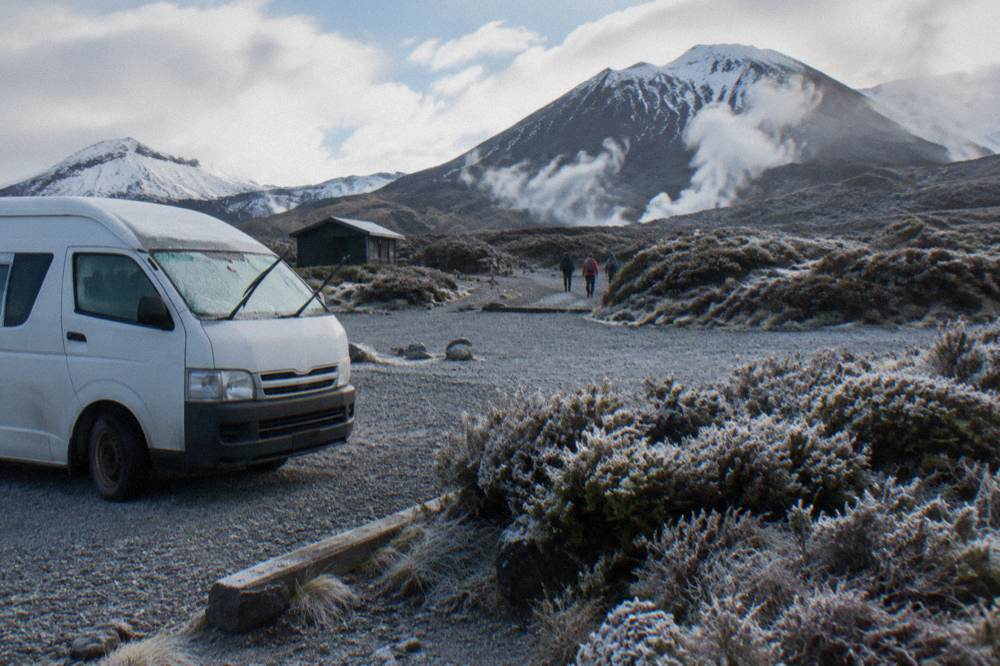
Guided tours carry a different kind of protection. Adrift Tongariro runs the three guided tours on this site, and its premium guided Crossing hike runs 8 to 9 hours door to trailhead and back, rated 4.6 across 241 reviews, from $253 per person with a minimum age of 12. A guided day comes with return transport included, crampons and ice axes supplied if winter conditions require them, and a guide who makes the morning's call in line with DOC's advisory. The trade is price and flexibility: free cancellation on that tour runs up to 14 days before, not 24 hours, so a late weather turn is handled by the operator's rebooking practice rather than by cancelling on your own initiative.
The comparison piece on this site breaks the choice down in detail if you are torn between formats; see guided versus shuttle for the Crossing. The short version for a closure-worried reader: a shuttle is a seat on a vehicle and cancels cleanly, a guided day is a weather-managed product with a guide embedded, and neither overrides DOC.
On the one-way park-and-ride products, including the Ruapehu Scenic Shuttles Ketetahi park-and-ride, you park at the Ketetahi Road end, ride to Mangatepopo, and walk the Crossing back to your own car. There is no return transport, by design, and that independence has a virtue on uncertain days: your car is waiting at the finish no matter what time you come off the track. You can check availability on the Ruapehu Scenic Shuttles park-and-ride on the live booking page, which also sets out the cancellation terms.
Does The Tongariro Crossing Close In Winter?
Winter does not close the track, it transforms it: from May to late October the Crossing is an Expert route over snow and ice, DOC advises allowing 9 hours against 9 to 11 hours of daylight, and shuttle buses generally do not operate at all, while guided trips include transport. Whether that counts as open depends entirely on your skills and equipment.
The seasonal mechanics are worth reading precisely. DOC's summer walking time of 7 to 8 hours from November to April stretches to 9 hours in winter. Crampons, an ice axe and a helmet are essential, as is competency using them, and DOC expects ice on the track between April and October. Independent winter parties need an avalanche transceiver, probe and shovel, a personal locator beacon, head torch with spare batteries, and map, compass or GPS for route finding when cloud or snow hides the marker poles. A sobering DOC figure: 38 percent of tramping injuries come from slipping. On a calm day Red Crater is at least 10 °C colder than Taupo and 5 °C colder than the track start, and you subtract another 2 °C for every 10 km/h of wind.
Two structural quirks define the winter season. First, no hazardous weather advisories are issued from May to October, so the morning advisory that protects summer walkers does not exist; you read the forecast yourself, and the places to read it are the MetService mountain forecast, the NIWA Red Crater forecast and avalanche.net.nz. Second, DOC is explicit that shuttle buses generally do not operate during winter but guided trips include transport. That single sentence shapes the whole winter market: the Adrift Tongariro guided tours run in summer and winter and build the transport in, while the shuttle products are effectively summer services.
DOC's own summary of who the winter track suits is blunt: people with alpine skills, equipment and experience who can find their way when the poles are hidden, rescue in avalanche terrain, prevent a slide, and survive worsening weather. For everyone else DOC's advice is short: go with a guide. The winter guiding options, including what gear the operator supplies, are covered in the winter guided tour guide.
What Happens To Your Booking When Conditions Turn Bad?
A "Not Recommended Today" advisory is a recommendation rather than a closure, and operators have agreed, as part of their concessions, not to operate when a Hazardous Weather Warning has been issued; what happens to your money depends on the cancellation terms you booked under, which differ sharply between products. Shuttle fares mostly carry free cancellation up to 24 hours before, the Adrift guided walks up to 14 days before, and two products on this site are non-refundable outright.
The pattern across the shuttle products is consistent. The Tongariro Crossing Shuttles round-trip from National Park Village, from $42 per person and rated 4.7 across 886 reviews, the most reviewed tour here, states free cancellation up to 24 hours before for a full refund. So does the Dempsey Buses round trip from the same village, from $51 per person, rated 4.8 across 72 reviews. The one-way park-and-rides follow the same shape, which makes a deteriorating forecast a manageable problem rather than a lost fare: cancel the seat, rebook the next clear morning. The wider set of guides lives on Tongariro Alpine Crossing Tours.
| Product | From price | Cancellation terms |
|---|---|---|
| Tongariro Crossing Shuttles round trip from National Park Village | $42 per person | Free cancellation up to 24 hours before |
| Dempsey Buses round trip from National Park Village | $51 per person | Free cancellation up to 24 hours before |
| Ruapehu Scenic Shuttles Ketetahi park-and-ride | $38 per person | Free cancellation up to 24 hours before |
| Adrift Tongariro premium guided Crossing hike | $253 per person | Free cancellation up to 14 days before |
| Adrift Tongariro private guided Crossing | $774.01 | Non-refundable |
| ExperienceKart private three-day tour from Auckland | $3,150.50 | Non-refundable |
The guided products are stricter. The Adrift Tongariro premium guided hike and the half-day guided walk both require cancellation up to 14 days in advance for a full refund. That reflects what a guided day holds: a guide committed to your group, gear allocation and a transport slot. If DOC applies an advisory or closure on the day itself, the decision comes from the operator's side, and the booking page shows the terms that apply. The two outright non-refundable products are the Adrift Tongariro private guided Crossing, from $774.01, and the ExperienceKart private three-day tour from Auckland, from $3,150.50; those fares cannot be refunded or changed, though if the operator cancels for weather it offers a new date or a full refund.
A practical sequence helps. Watch the NIWA Red Crater forecast from a few days out, since the advisory thresholds are all forecast-based. If the outlook sours inside the free-cancellation window of your product, act inside that window rather than waiting for the morning call. If the forecast is fine but an alert level rises, everything moves to DOC's closure decisions and the operator's rebooking practice. Either way, nothing you decide can override the advisory system.
How Do Volcanic Alert Levels Affect The Track?
A rise in the volcanic alert level at Tongariro or Ngauruhoe triggers track or section closures; unrest at Red Crater, or an uncertain or multi-vent picture, closes the whole Crossing. The hazard zone is a 3 km radius around each of the three vents, and the most recent eruption, from Te Maari in 2012, is the reference event. The alert levels themselves are published by GeoNet.
The reason the rule splits by vent is geography. The track passes close to Red Crater, skirts the flanks of Ngauruhoe and descends past the Te Maari craters, so a single closure circle around one vent may leave other sections walkable in theory. But when the unrest cannot be pinned to one vent, DOC closes the whole track because a walker anywhere on it is within reach of some hazard zone. That is why the "uncertain or multi-vent" clause exists: it is the catch-all that removes judgement calls from the system.
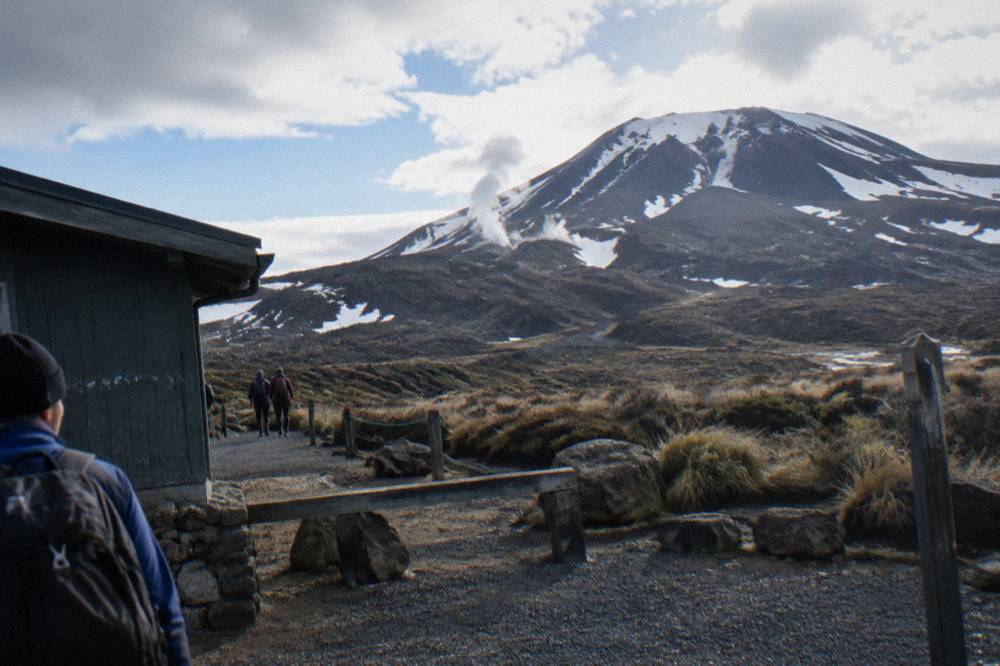
For a tour buyer the alert level matters at two moments. Before booking, a settled low alert level is simply the normal state and no barrier to planning. After booking, a rise is rare but decisive, and it is the one scenario where the weather forecast is irrelevant: no advisory, no clearing sky and no operator discretion reopens a volcanic closure. GeoNet's volcanic alert bulletins for Tongariro are the primary source, and DOC's alerts translate them into track terms.
The geothermal rules on the track belong to the same picture. Fumaroles near the Emerald Lakes are active features; visitors are asked not to approach steam vents and not to touch or enter any of the lakes. The cultural request behind that is DOC-published: Ngati Hikairo ki Tongariro ask visitors to respect the sanctity of the sacred mountains by not touching or entering any of the waterways, including the alpine lakes. The full background sits in the cultural and practical track guide.
Where Do You Check Weather And Track Alerts Before A Tongariro Crossing Tour?
Four official sources cover everything: the DOC Tongariro Alpine Crossing page for status and alerts, GeoNet for volcanic alert levels, the NIWA Red Crater forecast that drives the summer advisory, and MetService's mountain forecast, with avalanche.net.nz added for winter. Each answers a different question, and using the wrong one for a question is how people get caught out.
The division of labour is clean. DOC answers "is the track open or closed, and are there notices". GeoNet answers "is the volcano doing anything". NIWA's Red Crater forecast answers "will the summer advisory apply tomorrow", because every advisory threshold is computed from it. MetService's mountain forecast gives the broader picture, and in winter, when no advisories are issued, the avalanche forecast for the region becomes essential reading alongside it.
| Source | Question it answers | When to check |
|---|---|---|
| DOC Tongariro Alpine Crossing page | Track status, closures, alerts, notices | Evening before and morning of the walk |
| GeoNet | Volcanic alert level at Tongariro and Ngauruhoe | Before booking and if news of unrest breaks |
| NIWA Red Crater forecast | Whether the summer advisory will apply | Two to three days out, then each morning |
| MetService mountain forecast | General mountain weather | From a week out |
| avalanche.net.nz | Avalanche danger for independent winter trips | Before any May to October attempt |
Two timing realities sharpen the routine. The advisory is assessed each morning, so yesterday's advisory says nothing about today, and a track closed by weather one day routinely reopens the next. Volcanic closures are the opposite: they persist until DOC lifts them, sometimes in stages as the alert level falls. Build your checking habit around which risk you are managing.
There is also a local layer worth knowing. From November to April, Manaaki Rangers greet visitors daily at the track and share traditional stories, and the late 2025 fires near the start of the Crossing left a 10-year restorative rahui placed by Ngati Hikairo ki Tongariro over the affected area. DOC's guidance under the rahui is behavioural, not exclusionary: stay on the tracks, keep out of fire-affected areas off track, clean shoes and gear, and take rubbish home. As the rahui explainer puts it, it is not about keeping people out. Those rules change how you walk the open track, not whether it is open.
What Should You Do Differently In The Days Before Your Walk?
Treat the forecast window as the decision window: watch the NIWA Red Crater forecast from three days out, keep your booking inside its free-cancellation period for as long as practical, confirm the track status on the DOC page the evening before, and recheck both the morning of the walk. A booked product does not need you to predict the weather, only to respond to it inside its terms.
The cancellation windows make more sense read as a calendar. A shuttle seat with free cancellation up to 24 hours before can be held while the forecast firms up, then cancelled or rebooked the day before if the thresholds look likely to trigger. A guided walk with a 14-day window rewards early decisiveness: if the long-range outlook for your date is poor, moving the date costs nothing inside that fortnight and something outside it. The rarer volcanic scenario needs no calendar at all, just a willingness to accept the operator's rebooking when DOC closes the track.
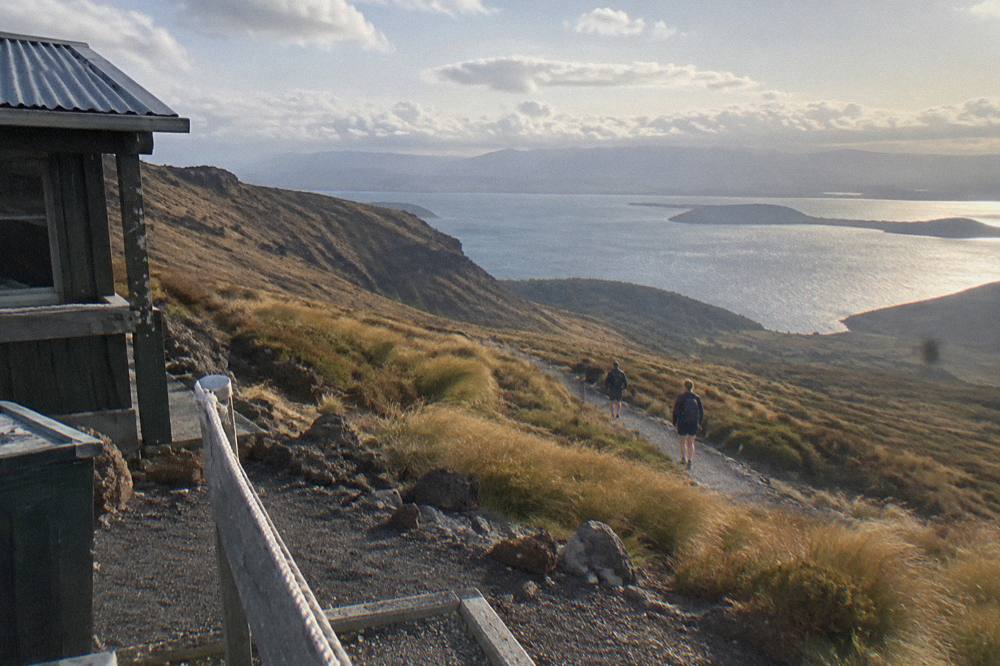
Planning the surrounding logistics also reduces what a bad day costs you. DOC's distances from the track put National Park 13.5 km away, Whakapapa 10.4 km, Turangi 36.7 km, Ohakune 48 km and Taupo 86.5 km, so a night near the start turns a weather rebooking from a long drive into a short shuffle of dates. From Labour weekend in late October to 30 April, a 4 hour maximum applies to parking at the road ends and DOC suggests booking a shuttle, with no Crossing parking at Mangatepopo car park in summer and a private car park near Ketetahi; the parking and shuttle trade-offs are covered separately.
Whatever the format, the choice of partner matters more than the calendar.
At the value end, the Owhango Adventures Ketetahi park-and-ride mirrors the Ruapehu Scenic Shuttles format at the same from-price of $38 per person, rated 4.8 across 312 reviews, with free cancellation up to 24 hours before. It is the same park, ride and walk-back-to-your-car logic, run by a different operator, and useful when one date or one car park is full.
For a fully weather-managed day, the Adrift Tongariro premium guided Crossing hike, from $253 per person, brings the guide, the transport and the winter gear into one product, and check availability on the operator's live listing before committing dates. Whichever way you book, keep one evening and one morning free for the official pages: they, not any seller, are what tell you whether the mountain is receiving visitors that day. More on choosing a season is in the best month for the Crossing.
Common Questions About The Tongariro Crossing Being Open
Is The Tongariro Crossing Open?
Most days from November to April, yes, as an Intermediate track. From May to late October it is an Expert winter route rather than closed, and shuttles generally do not run. Closures come from volcanic alert level rises or summer weather advisories; check the DOC Tongariro Alpine Crossing page for the current status.
What Closes The Tongariro Crossing?
A volcanic alert level rise at Tongariro or Ngauruhoe closes track sections, while unrest at Red Crater or an uncertain, multi-vent picture closes the whole track. In summer, a Not Recommended Today advisory applies when the Red Crater forecast breaches wind, wind chill or precipitation thresholds; it is a recommendation, not a closure, and operators have agreed under their concessions not to run when a hazardous weather warning is issued.
Does The Tongariro Crossing Close In Winter?
The track does not close for winter, it reclassifies: from May to late October it is an Expert route over snow and ice, with DOC advising 9 hours walking against 9 to 11 hours of daylight. Crampons, ice axe and helmet are essential, and shuttle buses generally do not operate, while guided trips include transport.
Do Shuttles Run When The Track Has An Advisory?
No. Operators have agreed under their concessions not to run on hazardous-weather-warning days, so shuttles and guided tours pause even though the track itself is not formally closed. Most shuttle fares on this site carry free cancellation up to 24 hours before, which covers a forecast turn.
Where Do I Check If The Tongariro Crossing Is Open?
Use the DOC Tongariro Alpine Crossing page for track status and alerts, GeoNet for volcanic alert levels, and the NIWA Red Crater forecast for the summer advisory. Add MetService's mountain forecast and avalanche.net.nz for winter planning.
Can A Volcanic Eruption Close The Crossing?
Yes. DOC defines a 3 km hazard zone around each of the three vents, Te Maari, Red Crater and Ngauruhoe, and the most recent eruption, from Te Maari in 2012, is the reference event. An alert level rise at Tongariro or Ngauruhoe triggers track or section closures under DOC's published rules.